

Table of Contents
- Start With a Quiet Corner: Meditation Corner Ideas for Any Home
- Meditation Space Essentials: What You Actually Need
- Calming Colors for a Meditation Room and Non-Toxic Paint Choices
- Meditation Altar Ideas: Setting an Intention With Meaningful Objects
- Lighting, Air Quality, and Sensory Comfort in Your Meditation Space
- Budget Tiers: What Matters Most and What Is Optional
- Keeping Your Meditation Space Simple and Building a Daily Routine
- Frequently Asked Questions
Last Updated: October 16, 2026
Start With a Quiet Corner: Meditation Corner Ideas for Any Home
Learning how to create a peaceful meditation space at home starts with one honest question: where in your home do you already feel calm? The answer is rarely a whole room. For most people, a meditation space is a dedicated corner of a bedroom, living room, or hallway that gets claimed and cared for.
Waiting for the perfect spare room usually means never beginning.

Small Space and Renter-Friendly Setups
Renters and people in shared homes face two constraints: no permanent changes and no control over noise. Both are workable.
- Use a folding screen, a bookshelf, or a curtain on a tension rod to define the corner without drilling
- Choose a floor cushion or folding chair you can tuck into a closet
- Pick a spot that belongs to you by habit, not square footage, even if it is one metre of wall
Managing Noise and Privacy
You will not silence a shared home, but you can soften it. A rug and a fabric wall hanging absorb some echo. A white noise app or a small fan masks traffic and conversation.
U.S. Environmental Protection Agency guidance on indoor environmental quality notes that indoor conditions shape how a room feels day to day, which is why noise and light deserve the same attention as furniture.
Meditation Space Essentials: What You Actually Need
Meditation space essentials come down to three things: a place to sit, a surface for a candle or small object, and a way to know the space is for practice. Everything else is optional. A simple setup gets used more often than an elaborate one.
Seating, Cushions, and Posture Options
Comfort decides whether you sit for five minutes or twenty. Try a few options before buying:
- A firm floor cushion or folded blanket for cross-legged sitting
- A chair with a straight back if floor sitting is uncomfortable
- A kneeling bench if your knees prefer support
Posture matters more than the cushion: sit tall, let your shoulders drop, rest your hands on your thighs. If a position hurts, change it.
Sensory Accessibility and Individual Preferences
Not everyone finds candles, incense, or floor cushions soothing. If you are sensitive to fragrance, light, sound, or floor seating, build around your own senses.
- Fragrance sensitivity: Skip incense and scented candles. Use an unscented candle, a small lamp, or a battery-operated candle. If you want a scent, diffuse a naturally derived essential oil briefly in a well-ventilated room, and stop if it irritates your breathing.
- Light sensitivity: Replace overhead lights with a dimmable warm-white lamp or a salt lamp. Blackout curtains or an eye mask help during bright hours.
- Sound sensitivity: Earplugs, noise-cancelling headphones, or a white noise app can mask household sounds. Some prefer silence; others need a low hum. Test both.
Budget Tiers and What Is Genuinely Optional
You can build a working meditation space at almost any budget. The no-cost tier works: a corner, a folded blanket, and a window. Everything above it exists to make the space more inviting.
| Tier | What You Spend | What You Get | What Is Optional |
|---|---|---|---|
| No-cost | Nothing | A corner, a folded blanket, a window | Everything else |
| Low budget | A cushion, a small lamp, a candle | A defined, comfortable spot | Art, rugs, screens |
| Mid budget | Cushion, rug, framed print, plant | A space that feels finished | Custom furniture |
| Higher budget | Chair, shelving, larger artwork | A dedicated room setup | Anything you will not use |
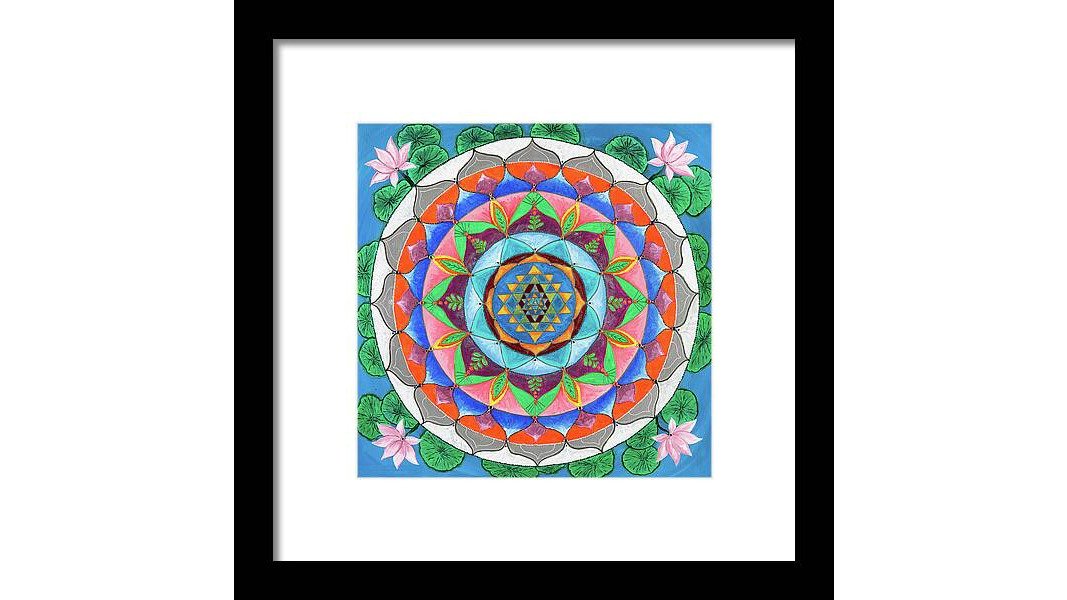
If you want one meaningful purchase, art is a strong choice because it holds the intention of the space. Our 8 x 8 inch Grace and Ease mandala print was painted with the intention of allowing peace to be present in everyday life, and at 8 x 8 inches it fits a shelf or small wall without dominating a corner. For a larger wall, the Evolutionary Man framed print arrives ready to hang with mounting hardware included.

Practical Setup for Renters, Shared Homes, and Very Small Spaces
Renters and people in shared homes face two constraints: no permanent changes and no control over noise. Both are workable.
- Use a folding screen, a bookshelf, or a curtain on a tension rod to define the corner without drilling
- Choose a floor cushion or folding chair you can tuck into a closet
- Pick a spot that belongs to you by habit, not square footage
Noise Management and Privacy
You will not silence a shared home, but you can soften it. A rug and a fabric wall hanging absorb echo, and a white noise app or small fan masks traffic and conversation.
- Door signs: A simple "Meditating" sign or a colored ribbon on the door handle signals not to interrupt.
- Rugs and textiles: Thick rugs, curtains, and upholstered furniture reduce echo and soften footsteps.
- Earplugs and headphones: Foam earplugs or noise-cancelling headphones block unpredictable sounds.
U.S. Environmental Protection Agency guidance on indoor environmental quality notes that indoor conditions shape how a room feels day to day, which is why noise and light deserve the same attention as furniture.
Calming Colors for a Meditation Room and Non-Toxic Paint Choices
Calming colors for a meditation room tend to be muted: warm whites, soft greys, sage, dusty blue, and earthy clay tones. Cool tones feel spacious; warm tones feel enclosing.
If you paint, look for low- or zero-VOC options. Low-VOC and zero-VOC paints are widely available, and EPA information on volatile organic compounds explains why indoor air quality is worth considering before you choose a finish.
If you cannot paint, colour still enters through textiles: a throw, a cushion cover, or a rug can shift the mood of a corner in an afternoon.
Meditation Altar Ideas: Setting an Intention With Meaningful Objects
Meditation altar ideas work best when the altar means something to you. An altar is a small, deliberate arrangement of objects that reminds you why you sit down. It does not need to follow a tradition.
Evolutionary Man - Framed Print →
Objects people commonly include:
- A candle or a small lamp for a soft focal point
- A stone, shell, or bowl from a place that matters to you
- A flower or a small plant
The last one is where we see the most difference. In our collection, the Evolutionary Man art print was painted around symbols of transformation and reflection, and the lotus and Sri Yantra imagery gives the eye something calm to rest on.

Lighting, Air Quality, and Sensory Comfort in Your Meditation Space
Lighting and air do more for a meditation space than most people expect. Natural light in the morning supports alertness; soft, warm light in the evening supports winding down.
Air quality matters too. Open a window when you can, keep dust down, and avoid strong synthetic fragrances if they bother you.
Sensory comfort is personal. Some focus better with silence; others need a low hum. Some like a blanket over their lap; others run warm.
Budget Tiers: What Matters Most and What Is Optional
You can build a working meditation space at almost any budget. Here is how the tiers break down.
| Tier | What You Spend | What You Get | What Is Optional |
|---|---|---|---|
| No-cost | Nothing | A corner, a folded blanket, a window | Everything else |
| Low budget | A cushion, a small lamp, a candle | A defined, comfortable spot | Art, rugs, screens |
| Mid budget | Cushion, rug, framed print, plant | A space that feels finished | Custom furniture |
| Higher budget | Chair, shelving, larger artwork | A dedicated room setup | Anything you will not use |
The honest answer is that the no-cost tier works. Everything above it exists to make the space more inviting, which makes you more likely to sit down.
If you want one meaningful purchase, art is a strong choice because it holds the intention of the space. Our 8 x 8 inch Grace and Ease mandala print was painted with the intention of allowing peace to be present in everyday life, and at 8 x 8 inches it fits a shelf or a small wall without dominating a corner. For a larger wall, the Evolutionary Man framed print arrives ready to hang with the mounting hardware included.
Keeping Your Meditation Space Simple and Building a Daily Routine
A meditation space stays peaceful when it stays simple. Clutter pulls attention outward. Keep the surface clear, store what you do not use, and let the space rest.
The routine matters more than the room. A few habits that help:
- Meditate at the same time each day, even for five minutes
- Leave your cushion or chair out so the space invites you in
- Return objects to their place when you finish
If drawing or colouring helps you settle, a mandala practice can pair with sitting meditation. Our Mandala Drawing Kit includes Kathy Rausch's Activate Divine Creativity books, paper, coloured pencils, and printed instructions, and customers have told us it became a daily anchor during difficult stretches, including one parent who drew mandalas with her daughter through a divorce. The Activate Divine Creativity book is also available on its own.
National Center for Complementary and Integrative Health overview of meditation and mindfulness is a useful, plain-language reference if you want to understand what meditation research does and does not show.
Frequently Asked Questions
How can I set up a meditation space at home if I live in a small apartment?
You do not need a separate room. A dedicated corner of a bedroom, living room, or even a walk-in closet can work well. Choose a spot you pass daily so it becomes a visual cue for practice. Add a floor cushion or chair, a small side table for a candle or meaningful object, and one piece of art that calms you. Keep the area clear of clutter and use a folding screen or curtain if you want visual separation from the rest of the room.
What are the essential items for a meditation space?
The essentials are simple: a comfortable seat (cushion, chair, or bench), a surface for a candle or small object, and something that marks the space as intentional, such as a framed print or plant. Everything else, including incense, singing bowls, and elaborate altars, is optional. Start with what helps you sit down consistently, then add pieces over time as your practice grows. Too many objects can become a distraction rather than a support.
What colors are best for a meditation room?
Soft, muted tones work best because they lower visual stimulation. Warm whites, sage greens, dusty blues, and earthy neutrals are common choices. Cool tones can feel expansive and quiet, while warm tones feel grounding. If you paint, look for low-VOC or zero-VOC formulas to keep indoor air cleaner, especially in small rooms with little ventilation. You can also introduce color through textiles, art, or a single accent wall rather than repainting the whole room.
How can I reduce noise and distractions while meditating at home?
Try a few practical fixes: meditate at a time when your household is naturally quieter, use a white noise machine or fan to mask background sound, and close doors or draw curtains to block visual interruptions. If you share a home, let others know your practice time so they can avoid interrupting. Earplugs or noise-cancelling headphones can help in louder environments. The goal is not silence but a consistent, predictable sound environment that your mind learns to settle into.
Do I need a separate room to create a meditation space?
No. A dedicated corner works just as well for most people. What matters is that the spot is used consistently for practice, kept relatively tidy, and feels different from the rest of your home. You can define the area with a rug, a cushion, a small shelf, or a piece of art. Some people use a closet, a balcony, or the end of a hallway. The routine and intention you bring to the space matter more than its size or whether it has its own door.
How do I keep my meditation space from becoming cluttered?
Treat the space as a single-purpose area. Keep only what you use during practice: your seat, perhaps a candle, and one or two objects that hold meaning for you. Avoid using the surface as a drop zone for mail, laundry, or electronics. A small tray or shelf can contain your items so they stay arranged. Once a week, take two minutes to reset the space. A clear surface makes it easier to sit down without mental friction.
Building a meditation space is easy. Keeping it is the harder part, because life fills empty corners fast. Start with the spot you already have, add one object that carries your intention, and let the routine do the rest. At I Love Mandalas, Kathy Rausch's original mandala art is made for exactly this: framed prints, small works, and creative kits that give a space a focal point and a reason to return to it. Create an account and find the piece that fits your corner.